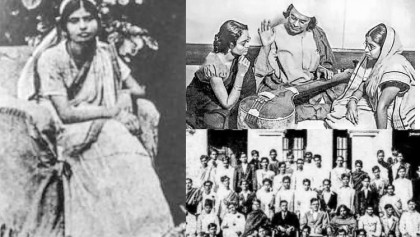
The Expedition of Grapple and Recognition of Women in Bangla Theatre

SAYANTIKA GHOSH, PhD Research Scholar, RBU, SACT, Gobardanga Hindu College “The history of men’s opposition to women’s emancipation is more interesting perhaps than the story of that emancipation itself.”                                                                                            Virginia Woolf- Introduction Women of the nation are considered to be the backbone of every society. The introduction of  actresses in Bengali Theatre during 1870 gave a new area to the society. Inspired by the English theatre, the Bengali theatre groups practiced their performances in the houses of the elite people, who are known as “bhadralokhs” of Bengal. The actresses who joined theatre then, were the children from the prostitute area. The talented children from the prostitute areas in order to supplement their income.  Bipin Chandra Pal, in his autobiography mentioned that in the Brahmo Samaj the use of girls from the prostitute families were denied. It was also noted that the presence of the Brahmo women in the audience were also rejected because it Read More …

Baiji Culture of Kolkata during Colonial Period: A review

Aritri Majumder, SACT,Department of Music, Gobardanga Hindu College, Ph.D. Research Scholar, University of Calcutta Tradition, the word which carries out many things in one boat. Culture and tradition are interdependent where tradition is a boat and culture plays the role of a sail. Kolkata, the city of joy, borrows its cultural tradition from a long time. On the other side Kolkata always greets and accepts new, so Kolkata is a place where tradition and trend stay side by side. Kolkata is a place of musical heritage as well as it was once the heart of Indian classical music. During British Colonial rule the scenario of India where a tide of transition took place in Indian culture. An obvious effect took place in Kolkata, the city of musical heritage, where classical music was already existed and continued a strong musical tradition of pure classical music from a long time. In 1856, when Nawab Wajed Ali Shah came Read More …

Bonding and Emancipation in Rabindranath Tagore’s Theatrical Narratives

Dr. Srabani Sen Abstract: Rabindranath Tagore, a multifaceted literary luminary, delved into the intricate dynamics of human relationships and societal structures in his plays. This study focuses on the thematic interplay of bonding and emancipation within Tagore’s theatrical works. Tagore, a Nobel laureate poet and playwright, weaves narratives that portray the delicate balance between attachment and the quest for individual freedom. This examination explores how characters in Tagore’s plays navigate the complexities of familial, societal, and romantic bonds, while simultaneously seeking emancipation from the constraints imposed by tradition and societal expectations. By scrutinizing the nuanced character interactions, symbolic elements, and thematic undertones in Tagore’s plays, this research aims to illuminate the profound exploration of human connections and the inherent tension between attachment and the pursuit of personal liberty in the context of Tagore’s dramatic oeuvre. The study contributes to a deeper understanding of Tagore’s philosophical perspectives on the human condition and sheds light on the Read More …

রবীন্দ্রনাট্য ঋণশোধ : জীবনবোধের বিস্তারিত অনুভব

ড. রাজশ্রী ভট্টাচার্য , বেঙ্গল মিউজিক কলেজ   প্রকৃতিকে বরণ করেন রবীন্দ্রনাথ অন্তরের অন্ত:স্থল থেকে। প্রকৃতির সঙ্গে প্রাণের সম্বন্ধ তাঁর। সৃষ্টিমূলক বহু রচনায় প্রকৃতির সঙ্গে সম্পর্কের স্বাক্ষর রেখে দিয়েছেন তিনি। তাঁর কবিমানসের স্ফুরণ ঋতুসংগীতে ঋতুনাট্যে ফিরে ফিরে দেখা দিয়েছে। প্রকৃতির সংসারে পাই সৌন্দর্যের সমাহার, যা বৈচিত্র্যময় অথচ নিয়ত শৃঙ্খলামণ্ডিত মঙ্গলদাত্রী রূপের প্রকাশ। ছয় ঋতুর সমাহারে আশ্রিত বাংলার জীবনধারা নিবিড় এক জীবনভাবনা ভাবতে শেখায়, যেখান থেকে হয়তো গড়ে ওঠে কোনো তত্ত্ব বা বিশেষ বোধ। সেই বোধকে মর্যাদা দেন রবীন্দ্রনাথ। এমনই এক বোধিমগ্ন তত্ত্বনাট্যের নাম ঋণশোধ(১৯২১), যার উৎসে আছে শারদোৎসব নাটক (১৯০৮)। বালক উপনন্দর গুরুঋণ শোধের গল্প এই ঋণশোধ। প্রয়াত গুরুর ঋণ শোধ করে শিষ্য উপনন্দ– পুঁথি লিখে। আনন্দের সব দরজা বন্ধ করে এক মনে কাজ সম্পন্ন করতে থাকে। ঋণ শোধ না হলে তার মুক্তি নেই। অবশ্যই সেই মুক্তি তার অন্তরের। আনন্দের সঙ্গে এই দায় সে নিজের ওপর তুলে নেয়। এ তার ভালোবাসার দায়– শ্রদ্ধার, প্রেমের দায়। আপন তাগিদ থেকে আগ্রহ থেকে এ দায় বহন করতে আসে Read More …

Scenography in Indian Theatre: Sharing Aesthetics of Light and Sound

Dr. Gagandeep, Assistant Professor, Department of Drama. Rabindra Bharati University, Kolkata Abstract In Indian theatre, Scenography may be new as a term; but surely not as a concept. The centrality of light and sound in a theatre performance has always been accepted but the unified approach has often been avoided. The paper argues for the idea of that forgotten unified approach comparing the individual aesthetics of the two important elements of performance making, light and sound. This comparison tries to underline the shared space of the aesthetics of these two elements in the process of making of a performance. Transgressing the boundaries and entering the shared space of performance making, with logical sensitivity of course; paves the way towards an enriched performance.     Keywords Theatre, Scenography, Light, Sound, Aesthetics, Performance  ‘The term scenography is of Greek origin (skēnē, meaning ‘stage or scene building’; grapho, meaning ‘to describe’) originally detailed within Aristotle’s Poetics as ‘skenographia’.’[1] Etymologically, the word scenography Read More …

পৌণ্ড্র, নমঃশূদ্র ও রাজবংশী জনগোষ্ঠীর শিক্ষা ও সমাজ চেতনা ১৮৫৭-১৯৪৭

ডঃ শ্যামা প্রসাদ মন্ডল মানবসভ্যতার আদি কাল থেকে ভারতীয় সমাজ শ্রেনী, বর্ণ ও কৌমে বিভক্ত ছিল। তাই তাদের ধর্মবিশ্বাস ও সংস্কারও বিভিন্নরুপে বর্তমান। তবে সময়ের দীঘ্য যাত্রাপথে বিভিন্ন ধর্মবিশ্বাস ও সংস্কারের জনগোষ্ঠী পারস্পারিক মিলন ও বিরোধের মধ্য দিয়ে সমন্বয়ের পথে অগ্রসর হয়। হিন্দুধর্ম প্রভাবিত ভারতবর্ষে যে ধর্মসাধনা তা আর্য এবং অনার্য এই দুই ধর্মসাধনার মিলন রূপ। বস্তুত ভারতীয় ধর্মসাধনায় বিভিন্ন সাংস্কৃতিক প্রভাব পরিলক্ষিত হয়। আর্য ব্রাহ্মণ বা বৌদ্ধ ধর্ম প্রচারোকেরা পারস্পারিক বোধ ও সমন্বয়ের মধ্য দিয়েই তাদের ধর্মসাধনা ও ধর্মবিশ্বাস প্রচার করেছিলেন। প্রাক-আর্য অধিবাসীরা কখনই তাদের ধর্মসাধনা ও ধর্মবিশ্বাস আর্য ব্রাহ্মণ্য বা বৌদ্ধ ধর্মের প্রবাহে বিসর্জন দেয়নি। চলমান আর্য প্রভাব স্বীকৃতি লাভ করললেও তার মধ্যেই অনার্যরা তাদের ধর্মবিশ্বাস ও সংস্কৃতি চর্চা করেছিলেন এবং ক্রমে ক্রমে তা ভারতীয় সংস্কৃতির চলমান প্রবাহের অঙ্গীভূত হয়েছে কখনও অবিকৃত রূপে আবার কখনও বিবর্তিত রূপে, যে প্রকৃয়া আজও প্রবাহমান। ঐতিহাসিক নীহার রঞ্জন রায় তাঁর ‘বাঙ্গালির ইতিহাস’ গ্রন্থে লিখেছেন বাঙ্গালীর ধর্মকর্মের গোড়াকার ইতিহাস হইতেছে রাঢ়-পুণ্ড্র-বঙ্গ প্রভৃতি জনপদের অসংখ্য জণ ও কৌমের, এক Read More …

ভাব ও সুরের মেলবন্ধনে রবীন্দ্রনাথের গান

ড.শ্রাবণী সেন সঙ্গীতের দুটি অংশ – ভাব ও রূপ অর্থাৎ বাণী ও সুর। বলা যায় সেই বাণী ও সুরের সমানুপাত থেকে শুদ্ধসঙ্গীতের সৃষ্টি। বাণী ও সুরের সমানুপাতের সঙ্গে মিশে থাকে তাল ও লয় এবং গায়কের নিজস্ব ঢঙ। গায়কের যথেচ্ছ সুরবিহারের ফলে গানের ভাব তথা বাণী তার আপন ভাবরসের মহিমা হারাতে পারে। এই প্রবণতার কথা মনে রেখেই রবীন্দ্রনাথ রাগরাগিণীর দাপট থেকে গানের ভাবকে মুক্তি দিতে সচেষ্ট ছিলেন তাঁর সমগ্র গীতরচনার সু্দীর্ঘ পর্বে। ফলে একমাত্র রবীন্দ্রসঙ্গীতে ভাবের এক নির্দিষ্ট অভিমুখ স্পষ্টভাবে চিহ্ণিত করা সম্ভব। রবীন্দ্রনাথের গানে প্রচ্ছন্ন আছে তাঁর মনের ইতিহাস। এ প্রসঙ্গে রবীন্দ্রনাথ বলেছেন, প্রথম বয়সে তাঁর গান রচনা ছিল ‘ভাব বাৎলানোর জন্য’ আর পরবর্তী যে সব গান তা ‘রূপ দেবার জন্য’। বলা যায় রবীন্দ্রনাথের গানের জীবন অনেকটাই জড়িয়ে গেছে শেষের দিকে শান্তিনিকেতনের নাচ আর গানের দলের সঙ্গে৷ সংগীত ভবন আর কলাভবনের যৌথ প্রেরণায়  ভাব ও রূপের চর্চা, নতুন নতুন গানের সঙ্গে নাচের লাবণ্য মেশা অভিনয়, নৃ্ত্যনাট্যের সদ্যতন উৎসার এবং তাতে অনুশীলন ও পরিশীলনের  রূপান্তর ও Read More …

Portrayal  of  Information  Communication  Technology  in Empowering  Rural  Female  Laboure’s  in  Agricultural Field

Sayantika Ghosh, SACT, Gobardanga Hindu College, Ph.D. Research Scholar, RBU. “ New Technology is not good or evil in and of itself. It’s all about how people choose to use it ”1     – David Wong                                                                                                                      The term ‘ICT’ denotes ‘Information Communication Technologies’. Accessing of information through telecommunication is the technology referred by ICT. It mainly focuses on communication technologies, which includes Internet, Wireless network, cell phones and other communication medium. It is a system that allow people to interact in the real-time with each other in different countries by using technologies like instant messaging app like WhatsApp, hike, skype, lite messenger, Facebook, line, etc. Thus ICT helps in promoting and distributing new and existing information and knowledge which is communicated within different sector. Thus ICT spreads information and knowledge about farming in the agricultural sector. Since information is most important for facilitating agricultural and rural development and bringing about social and economic changes. (Swanson and Read More …

তোমার সুরে ভরিয়ে নিয়ে চিত্ত যাব যেথায় বেসুর বাজে নিত্য : আমার গুরুপ্রণাম

ড. রাজশ্রী ভট্টাচার্য , বেঙ্গল মিউজিক কলেজ শিল্পীজীবনের গোড়ার কথাটি শিক্ষা; শিল্পবিষয়টিকে ভালো করে জানতে বুঝতে শেখা, তার মূল ভাবের অধিগ্রহণ। সেই শিক্ষার ভিত্তি শৈশবেই। মনের নরম মাটি গড়েপিটে তোলেন প্রণম্য শিক্ষকগণ। লেখাপড়া শেখানোর পাশে পাশে তাদের জন্যে “নানা বিদ্যার আয়োজন” (জীবনস্মৃতি/ রবীন্দ্রনাথ ঠাকুর/ বিশ্বভারতী)— শিল্পীর জীবনগঠনে শিক্ষাগুরুর অবদান ভোলার নয়। এ কথা মনে করেই আজ আমার মতো এক অর্বাচীন শিক্ষার্থীর গুরুবন্দনার দিন। গুরুকে স্মরণের পুণ্যলগ্ন। অগ্রেতে বন্দনা করি গুরুর চরণ ।। (লোকায়ত সংগ্ৰহ) সবার আগে প্রণাম নিও বিদ্যাসাগর মশাই । প্রণাম নিও বেথুন সাহেব । প্রণাম নিও সে যুগের পিতৃ-প্রতিম সকল গুণীজন। আর প্রণাম নিও সকল কালের বাংলার মায়েরা। তোমাদেরই জন্যে আজ এত স্পর্ধাভরে’ দু চার কথা লিখতে বলতে পারার সাহস আর শক্তি অর্জন করেছি, কলমে দু কথার যোগান এসেছে। নইলে, কবেই সতী হয়ে শেষ হতুম। (প্রসঙ্গ সূত্র : করুণাসাগর বিদ্যাসাগর/ ইন্দ্র মিত্র/ আনন্দ পাবলিশার) এ আমার একার কথা নয়। ১৭৫ বছরের একটা স্কুল। সম্মানের শ্রদ্ধার আর প্রাণ ভরা ভালোবাসার বেথুন স্কুল। তার অগণিত Read More …

Jalchabi: The Artistic Odyssey of Chitra Sen and Seema Mukhopadhyay within the Realm of Group Theater

Mou Chakraborty Abstract: This study delves into the remarkable contributions of actresses Chitra Sen and Seema Mukhopadhyay within the vibrant milieu of Group Theater, with a specific focus on their roles in the play “Jalchabi.” The Group Theater movement in India, particularly in Bengal, played a pivotal role in shaping the cultural landscape during the mid-20th century. Chitra Sen and Seema Mukhopadhyay, distinguished actresses, emerged as prominent figures within this movement, bringing depth and nuance to their characters in the play “Jalchabi.” The research examines the historical and cultural context of Group Theater, exploring its influence on the artistic choices made by Sen and Mukhopadhyay. Through a detailed analysis of their performances in “Jalchabi,” the study aims to shed light on the actors’ interpretative skills, the directorial vision, and the thematic resonance of the play. Additionally, it explores the collaborative dynamics between the actresses and their fellow actors, directors, and playwrights within the Group Theater Read More …